Shipping Sea Containers: A Comprehensive Guide to International Freight
When it comes to global trade and logistics, shipping sea containers play a pivotal role in transporting goods efficiently across the world. Whether you are an individual relocating internationally, a business shipping bulk cargo, or an exporter sending products overseas, understanding the process of sea container shipping is essential for smooth and cost-effective transportation.
What Is Sea Container Shipping?
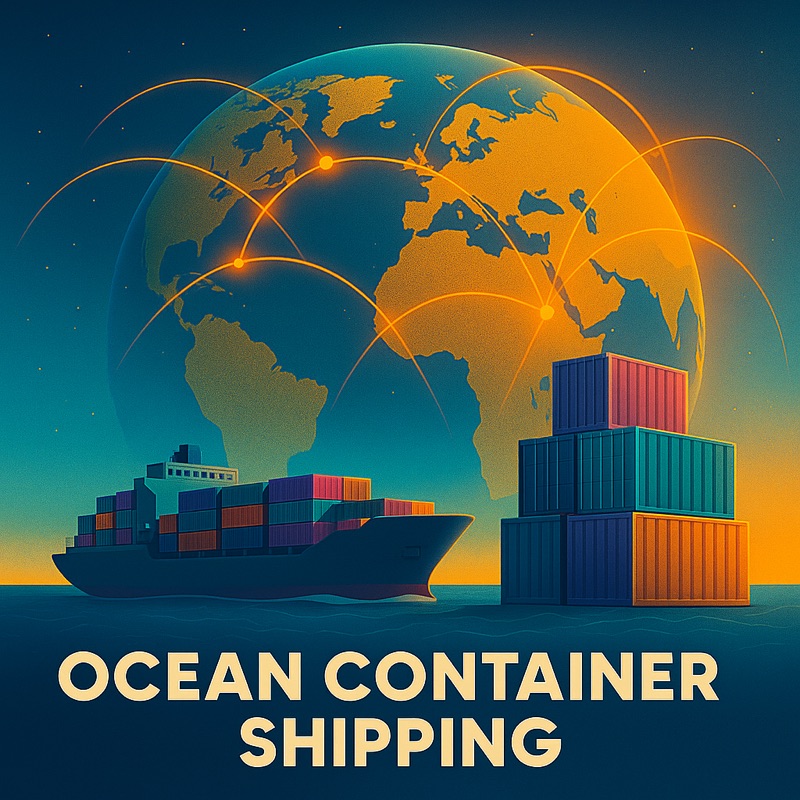
Shipping sea containers refers to the method of transporting goods using standardized steel containers via ocean freight. These containers come in various sizes, with 20-foot and 40-foot containers being the most common. High cube containers, which offer extra height for bulkier shipments, are also widely used. The versatility of containerized shipping makes it the preferred choice for international trade, commercial freight, and personal moves.
Why Choose Sea Container Shipping?
Sea container shipping is a cost-effective and secure way to transport large volumes of goods internationally. Here are some key benefits:
1. Economical for Bulk Shipments – Compared to air freight, ocean shipping offers significantly lower costs, making it ideal for large and heavy cargo.
2. Secure and Protected – Containers are sealed and protected against external elements, ensuring safe transit.
3. Scalability for Different Needs – Shippers can choose between Full Container Load (FCL) and Less than Container Load (LCL) based on their cargo volume.
4. Global Connectivity – With access to major ports worldwide, container shipping provides seamless global trade opportunities.
5. Eco-Friendly Transport – Ships have a lower carbon footprint per ton of cargo compared to airplanes and trucks.
Types of Sea Containers for Shipping
Understanding container types can help in choosing the best option for your shipping needs:
• 20-Foot Container (TEU): Best for smaller shipments, vehicles, or compact freight.
• 40-Foot Container (FEU): Ideal for large shipments, furniture, or bulk goods.
• High Cube Containers: Similar to 40-foot containers but with an extra foot in height for oversized cargo.
• Reefer Containers: Refrigerated containers used for perishable goods.
• Open-Top & Flat Rack Containers: Designed for heavy machinery, construction materials, or irregularly shaped cargo.
How to Calculate Shipping Costs for Sea Containers
Several factors determine the cost of shipping sea containers, including:
• Container Size & Type – Larger containers and specialized units (reefer, flat rack) may cost more.
• Distance & Destination – The farther the shipping route, the higher the freight cost.
• Port Fees & Customs Charges – Import duties, handling fees, and port charges vary by country.
• Fuel Surcharges & Seasonal Fluctuations – Changes in fuel prices and peak shipping seasons impact rates.
To get an accurate estimate, using a Shipping Sea Container Cost Calculator is the best option. This tool provides instant quotes based on your cargo details, destination, and shipping method.
Steps to Ship a Sea Container Internationally
1. Choose the Right Container – Based on your cargo volume and type, select between FCL or LCL shipping.
2. Get a Freight Quote – Use an online freight calculator to compare prices.
3. Prepare Documentation – Essential paperwork includes a Bill of Lading, Commercial Invoice, Packing List, and Import Permits.
4. Book the Shipment – Work with a freight forwarder to schedule your container’s transport.
5. Customs Clearance – Ensure compliance with import/export regulations for a hassle-free process.
6. Delivery & Unloading – Once the container reaches its destination, it is transported to the final location.
Final Thoughts
Shipping sea containers is the backbone of international trade, offering a reliable and cost-effective method for transporting goods across continents. Whether you need to move household items, commercial products, or industrial equipment, understanding the container shipping process ensures a smooth and stress-free experience.
To get started with an instant international shipping quote, visit our Freight Calculator and find the best rates for your container shipment today!


Comments
Post a Comment